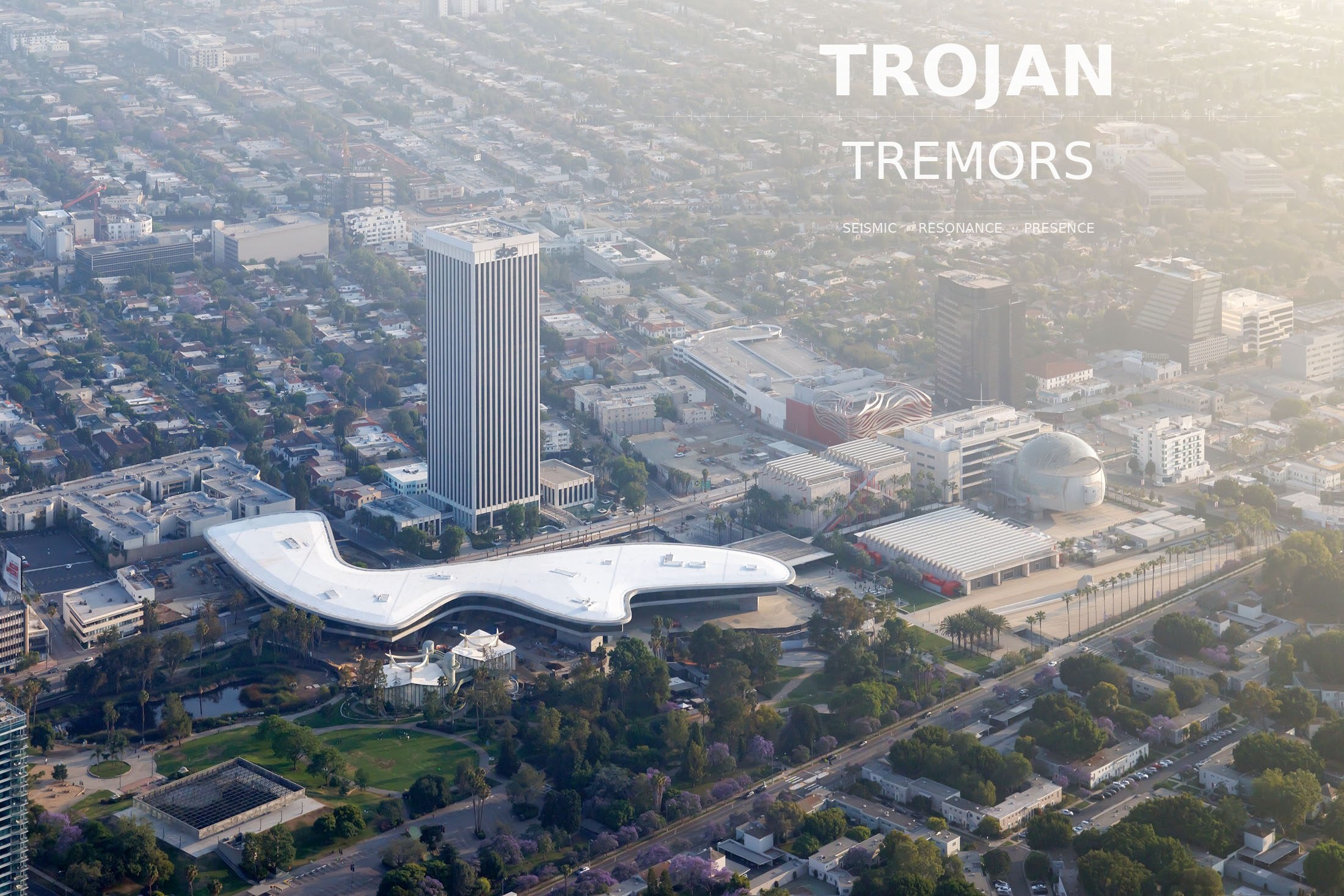
TROJAN TREMORS listens to the David Geffen Galleries' seismic base isolation system and makes the building sing — its geological voice musified into gallery sound, visceral sound baths, and a global live stream.
Los Angeles is built on seismic ground. The earth beneath it is already composing — vibrations that propagate through granite, refract through sand and hidden water, with or without witness. The San Andreas, the Newport-Inglewood, and the Hollywood fault systems older than anything built above them. No one is listening. Sounds of Seismic (SOS) was built to change that: a granular synthesis engine fed by EarthScope's global seismic sensor network, translating the earth's raw data stream into evolving electronic music in real time. This is musification: the earth composes, the algorithm interprets, the human body completes the meaning. TROJAN TREMORS points the SOS engine at a building already listening.
Peter Zumthor, the building's architect, has written that every interior is a large instrument — that materials collect and transmit sound as naturally as they admit light. The Geffen Galleries is raised above Wilshire Boulevard on ten columns, a structure held between the city and the sky. Beneath it, 56 triple friction pendulum seismic base isolators — each over nine feet in diameter — are engineered to move up to five feet in any direction during a major seismic event. A five-foot moat rings the perimeter; visitors cross it without realising they are stepping between the city's ground and a building that has learned to move with the planet. The name is precise: something alive is already inside this structure, hidden in its engineering. TROJAN TREMORS brings it out and into aural experience.
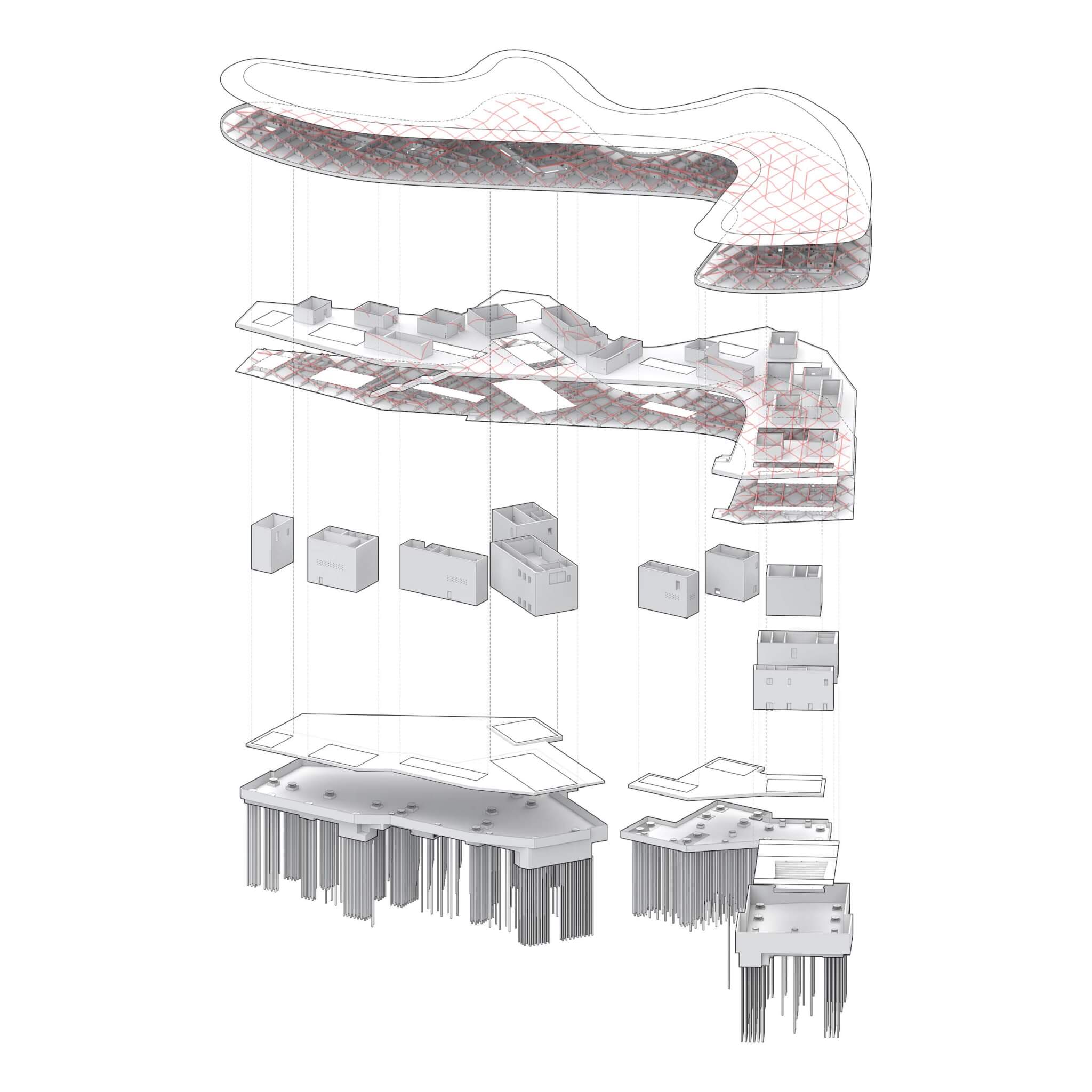
The building already monitors its own seismic life — sensors engineered by SOM recording its continuous response to the earth beneath it. That data is structural engineering. We propose to work with LACMA and SOM to turn it into music. The artistic act is not the installation of new technology but the reframing of what the building already collects — structural monitoring into public sound. What the Geffen Galleries know about the ground they float above becomes something a visitor can hear.
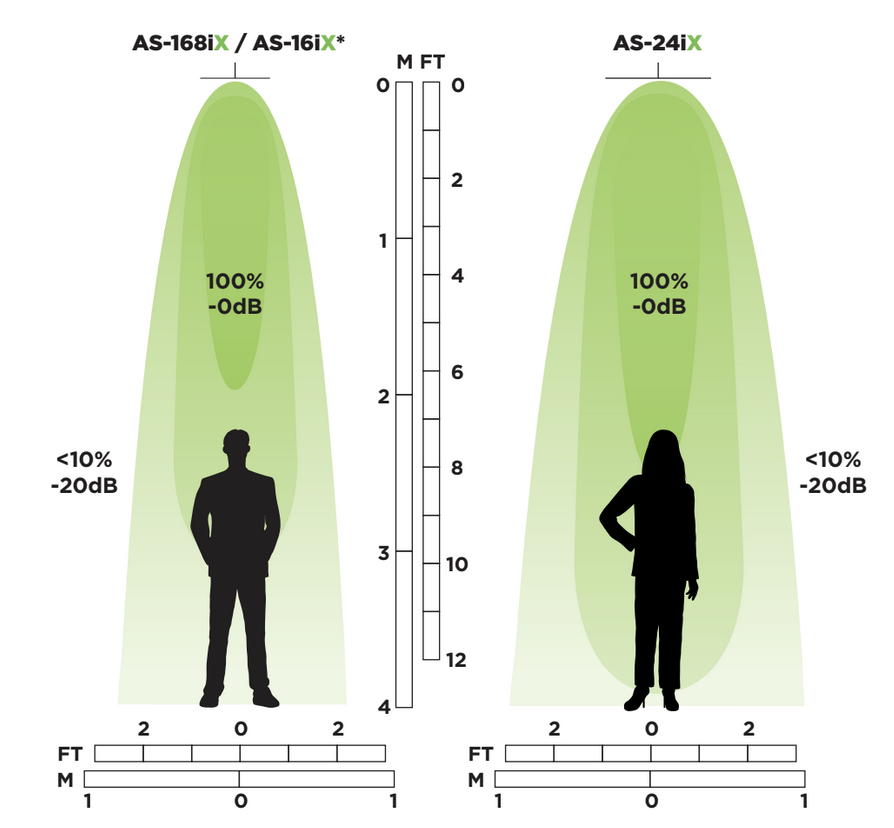
Inside the galleries, Holosonics directional speakers deliver focused beams of sound into the open gallery spaces. Visitors who step into a beam hear the earth beneath them. Those outside do not. The sonic threshold mirrors the seismic moat.
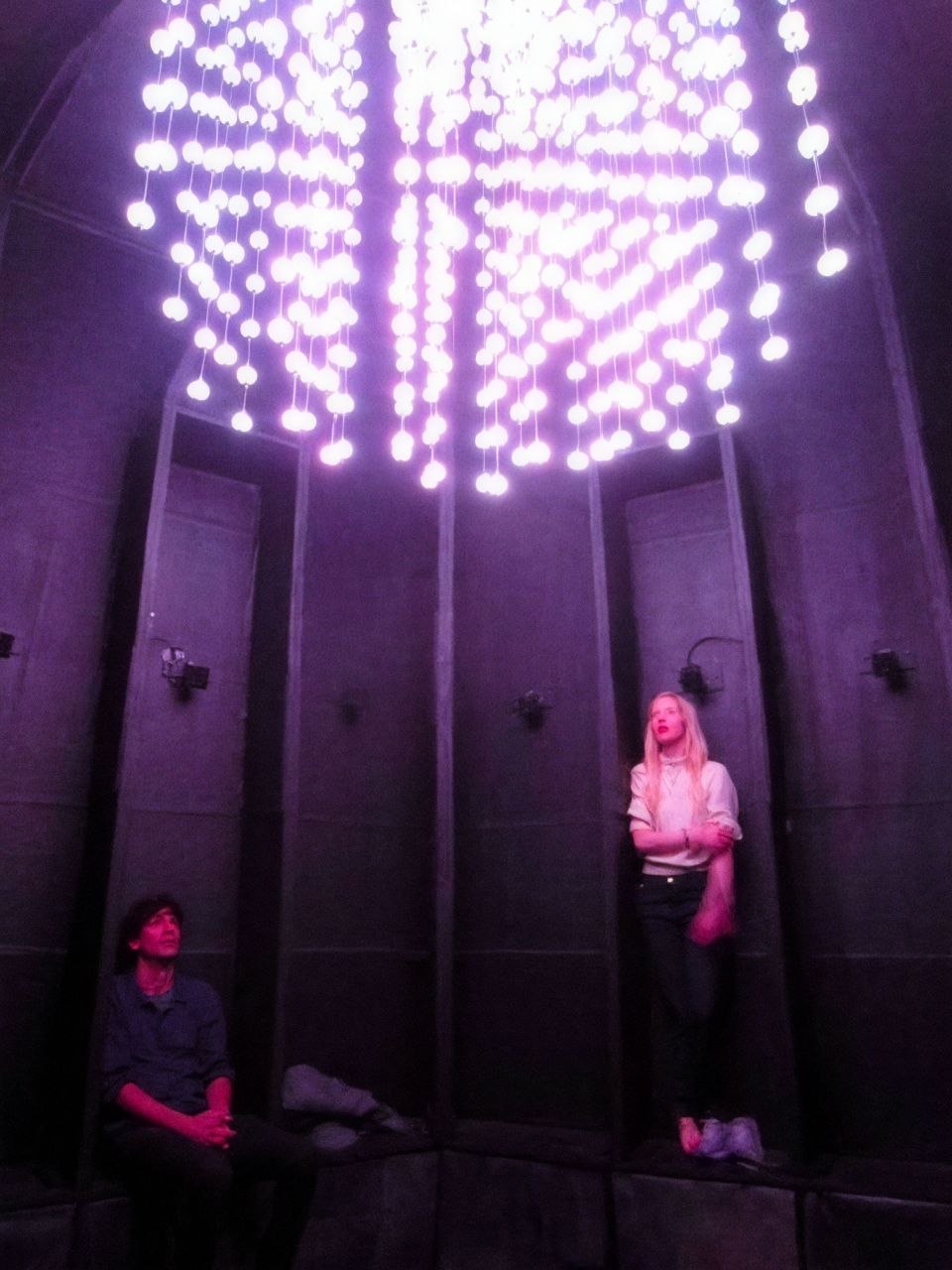
In an enclosed gallery space, Seismic Sound Bath sessions offer deeper immersion: sub-woofers drive low-frequency sound waves through the room at the building's lowest registers — frequencies felt in the body before understood by the mind. This was first presented inside DOMUS at Materials & Applications, Los Angeles, in 2014 — spatial seismic sound with collaborator Dr Ryan McGee.
A live audio stream at sos.allshookup.org carries the feed for the full project duration. The methodology — from sensor integration to musification to spatial delivery — is designed to be replicable in any seismically isolated structure. The museum becomes the instrument. The earth plays it.
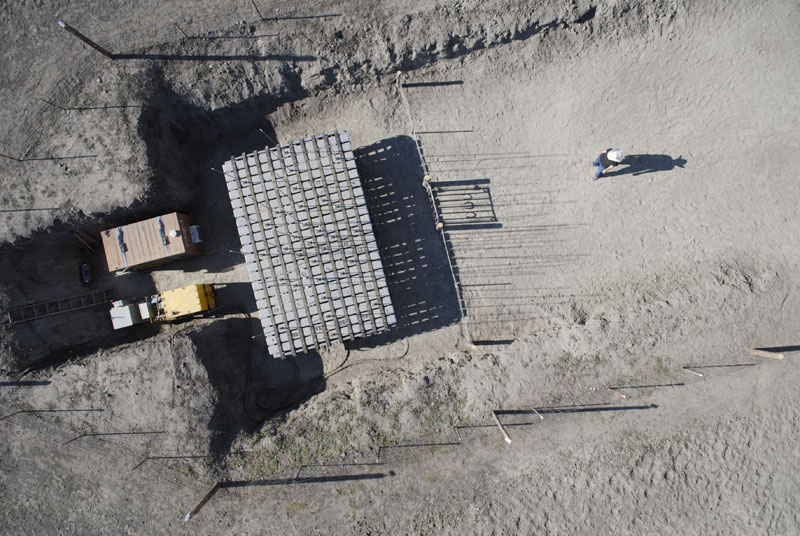
In 2008, D.V. Rogers presented a part machine, part earthwork, part performance on the central San Andreas Fault at Parkfield, California — the most densely seismically monitored location on earth. The Parkfield Interventional EQ Fieldwork (PIEQF) ran autonomously for 91 days, triggered by 4,500 Californian seismic events. It was the beginning of a question that has organised his work ever since: what does the earth sound like, and what do we become when we listen to it?
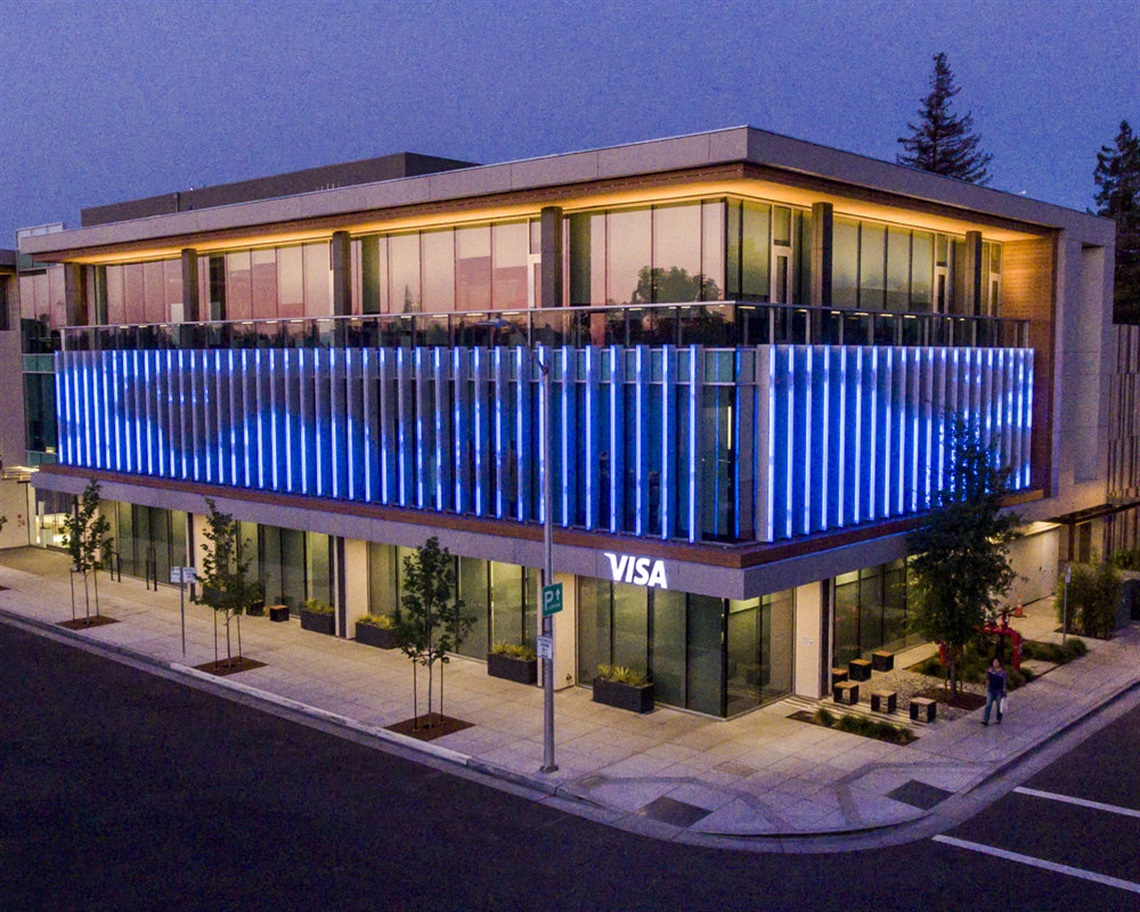
Working under the name SHOOK, Rogers has spent three decades at the intersection of geoscience, technology, and experimental electronic music — realising works across two continents. DOMUS, installed at Materials & Applications in Los Angeles for seven months in 2014–2015, was an experimental structure housing spatial seismic sound and a 576-node LED chandelier driven by real-time earthquake data — the first Seismic Sound Bath. TABULA, a permanent seismic LED architectural commission at 385 Sherman Avenue, Palo Alto, translates live USGS data into scrolling light across a building facade. Earth Light Seat, installed at Newtown Art Tower in Sydney in 2013, used a custom Moment Magnitude LED Lux Scale to render global seismicity as architectural light.
His central work is Sounds of Seismic (SOS) / SeisClaw — a granular sonification engine ingesting live MiniSEED seismic data from EarthScope's global network and rendering it as real-time electronic music through minimal browser interfaces, operating now at seisclaw.com. A 2012 residency at the AlloSphere Research Facility, UC Santa Barbara, with spatial audio engineer Dr Ryan McGee established foundational techniques for transforming seismic data into spatial musical composition — a collaboration that continues into its second decade.

Rogers works entirely independently, without institutional affiliation. The TROJAN TREMORS concept treats the earth as a compositional partner, architecture as a transmission medium, and the human body as the instrument that completes the circuit. The lineage is electronic music that treats listening as a physical act — from Eno's ambient systems to Autechre's machine logic to the sub-frequency mass of Fuck Buttons.
The work is not proposed. It exists.
Sonification translates data into sound. TROJAN TREMORS goes further — musification, where the earth composes through the language of mantle and crust, the algorithm interprets, and the listener completes the meaning. Granular synthesis is the method because seismic data carries the structural complexity of geology itself — it demands a process that preserves rather than simplifies. The parametric speakers sculpt boundaries of audibility mirroring the seismic moat. The Sound Bath places the body inside the building's lowest registers — felt before understood.
Every seismically isolated building on earth is already an instrument — a structure engineered to move independently of the earth beneath it, carrying in its isolation system a continuous record of the planet's vibrational life. None of them are listened to. TROJAN TREMORS demonstrates that this structural voice can be captured, musified, and made public — not as data visualisation but as sound felt in the body. In Los Angeles, that translation is urgent and site-specific. But the concept is portable — designed for replication in any seismically isolated structure. What begins as one building listening to itself becomes public sonic infrastructure.
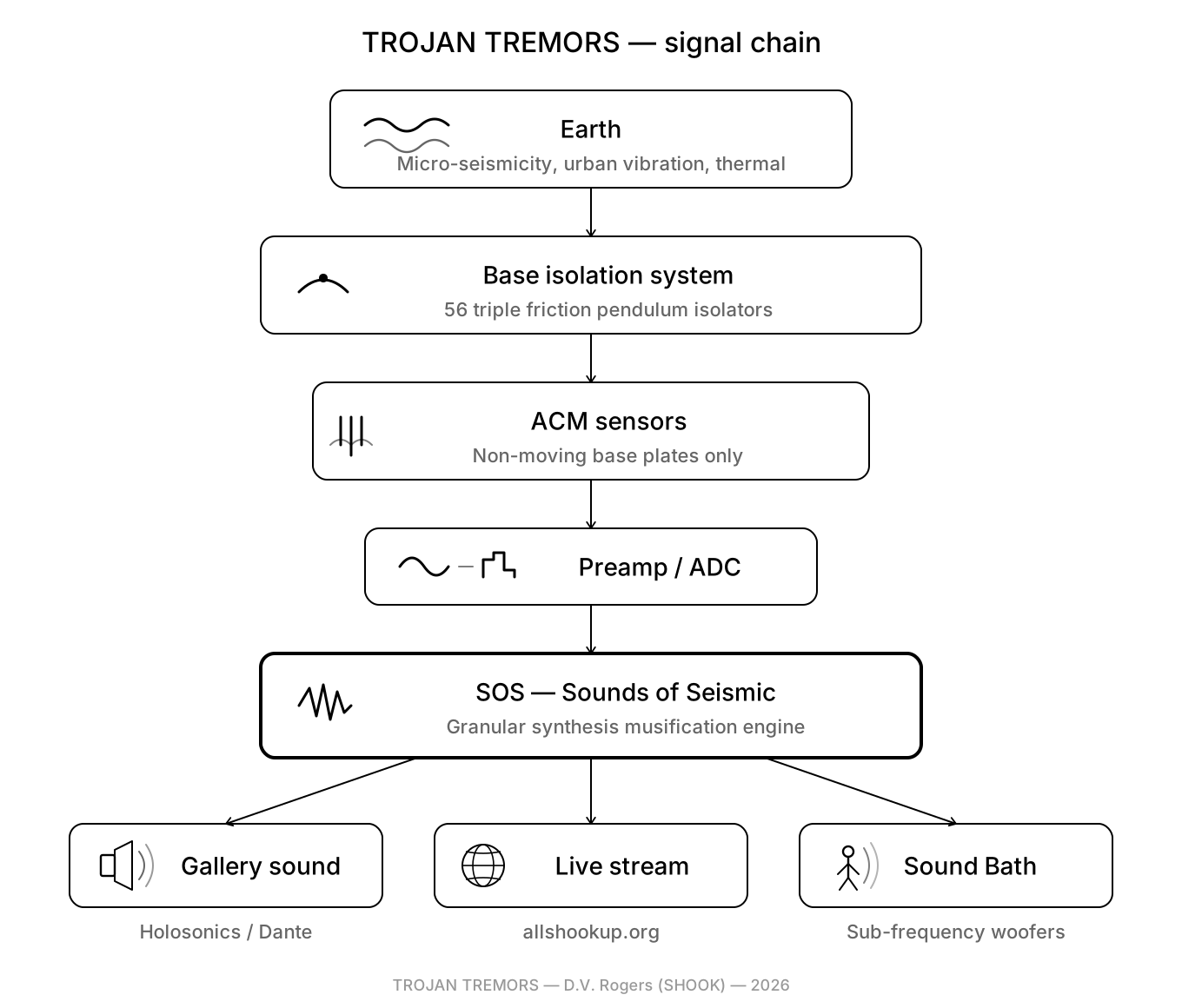
The earth never sleeps and neither does this work. In the Geffen galleries, Holosonics directional speakers deliver a continuous ambient presence — no ticketing, no schedule, no mediation. A live audio stream at sos.allshookup.org broadcasts the building's seismic voice globally for the full project duration. Seismic Sound Bath sessions in an enclosed gallery space offer sub-frequency immersion — the body as receiver. At LACMA's 2027 biennial symposium and 2028 Demo Day, the system is demonstrated live and open. The methodology belongs to anyone who wants to listen.